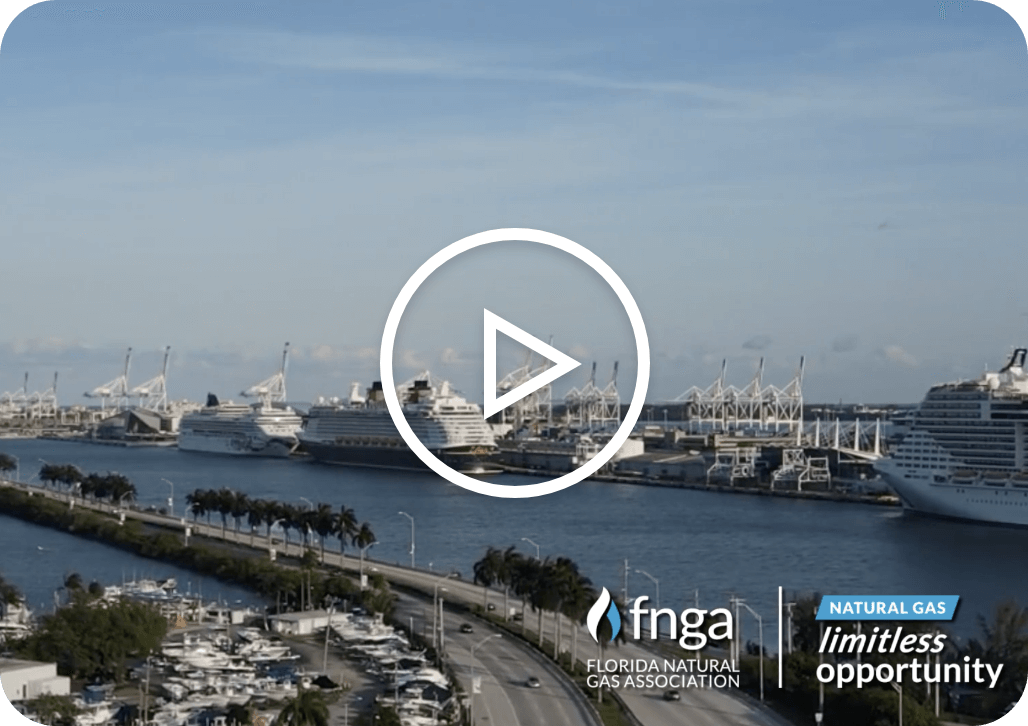
Natural Gas Propels Florida Seaports Forward
See how natural gas is improving operational efficiency for ports.
From cargo shipments to cruise travel, Florida’s 16 public ports keep the state moving. In a one-year period, Florida seaports handled 114.2 million tons of cargo and transported more than 19 million total cruise passengers. High volume requires energy—and a lot of it. That’s why port operators are turning to natural gas for its abundancy, cost effectiveness and sustainability. See how natural gas improves operations across the maritime industry in Florida.
Innovating the Industry
Florida’s seaports are leading the way in sustainable shipping with liquefied natural gas (LNG). Abundant and cost-effective, LNG powers cargo and cruise vessels while reducing environmental impact.
With 26+ LNG ships under construction and advanced port infrastructure like Jacksonville’s coastal LNG facility, Florida is fueling the future of maritime innovation.
Economic Impact
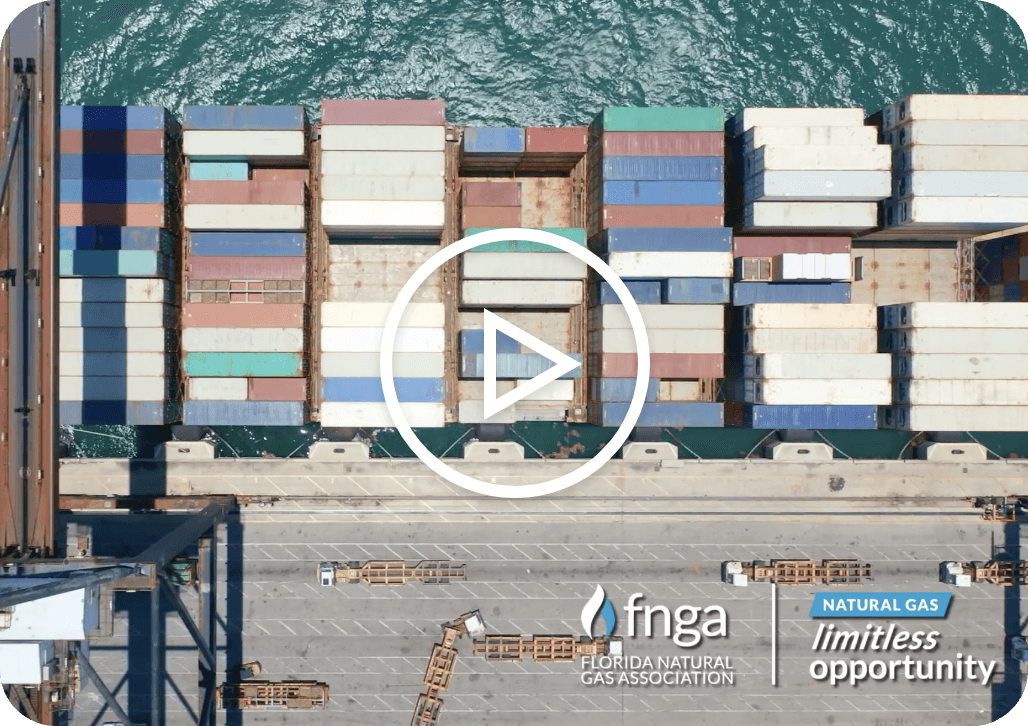
Florida’s seaports drive our economy, supporting 900,000+ jobs, 13% of the state’s GDP, and $117 billion in total economic impact.
The maritime industry is embracing liquefied natural gas (LNG), with nearly 26 new LNG-powered cruise ships under construction and ports like JAXPORT leading the way.
These innovations create jobs, cut costs, and expand Florida’s global reach.

Essential to Florida’s Supply Chain
Florida’s ports keep fuel, food, and medicines moving every day. With reliable, affordable, and sustainable LNG, ports save costs, support cleaner shipping, and keep trade flowing—strengthening Florida’s economy and America’s maritime competitiveness.
Increased Cost-Effectiveness
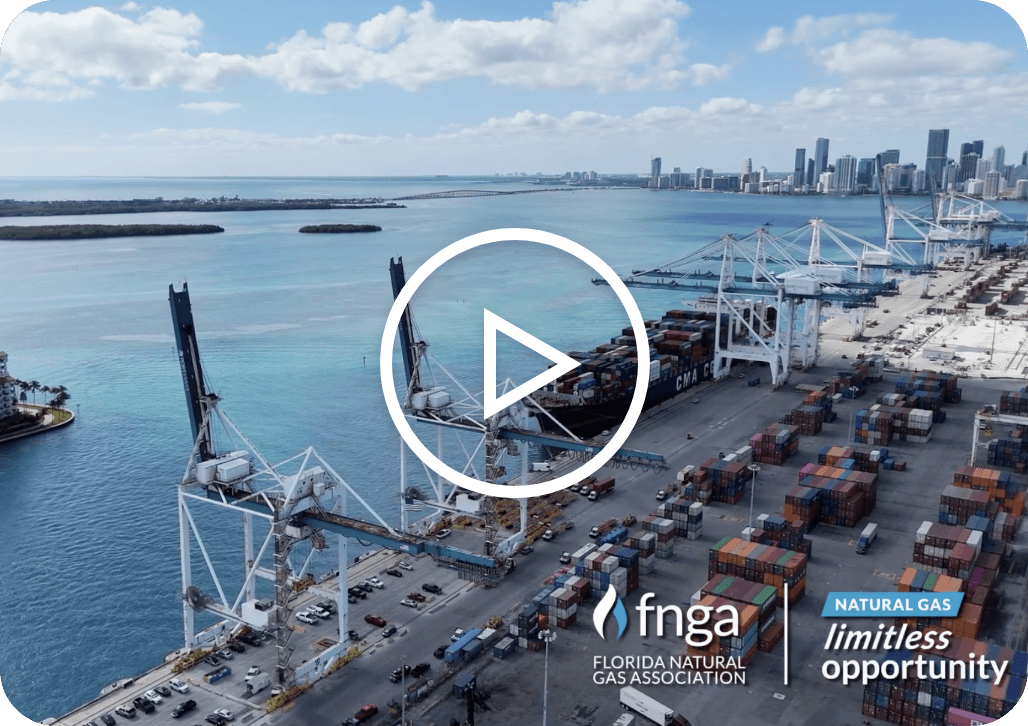
Florida ports are powering progress with liquefied natural gas (LNG) — a homegrown, reliable, and cost-effective fuel.
LNG can save cargo and cruise ships millions annually while supporting a stable domestic supply. With 90+ years of natural gas available, it’s fueling Florida’s maritime growth today, and for the future.